
Potassium Health Blog: Research & Tips
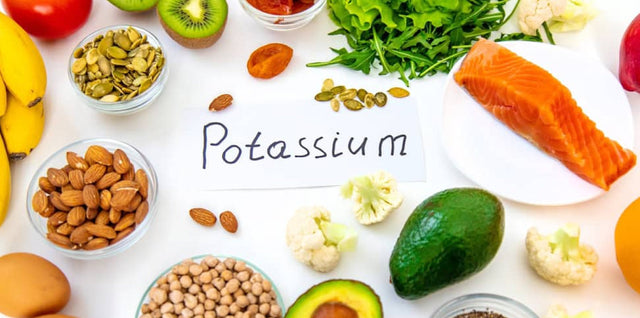
Potassium: The Natural Switch to Lower Blood Pressure
If you have high blood pressure, you are not alone. Over one billion people worldwide live with hypertension—including me. But what if there was a simple switch inside your body that you could flip to bring your blood pressure back down?Science shows there is—and that switch is controlled by potassium. By understanding how potassium works in your kidneys, you can lower your blood pressure naturally, reduce your risk of heart disease, stroke, kidney problems, and improve your overall health. The Kidney’s Master Switch Deep inside your kidneys are tiny filtering units called glomeruli. As blood passes through these knots of vessels, waste products and electrolytes are filtered out. But right next to them are specialized cells that release renin, a hormone that raises blood pressure.Here’s the catch: most people with hypertension have excess renin activity, which is why many common medications—ACE inhibitors, ARBs, diuretics, renin blockers—all focus on this pathway. But your body already has a built-in regulator for renin: potassium. How Potassium Turns Off Renin When you eat potassium-rich foods or take a supplement, potassium enters the bloodstream and travels to your kidneys. There, those renin-producing cells sense the potassium and actually turn o renin production at the source. In clinical trials, people who doubled their potassium intake—from about 3,000 mg to 6,000 mg daily—saw renin levels drop significantly. Their blood potassium stayed within the normal range, but their blood pressure began to fall. Potassium and the Sodium Switch Potassium doesn’t just regulate renin. It also interacts with a protein in the kidneys called NCC (sodium-chloride co-transporter). Normally, NCC reabsorbs sodium and water, which raises blood pressure. Many diuretic drugs target this exact pathway. But when potassium floods the kidney, it signals the NCC to shut o. The result? Your body releases excess sodium and water, lowering blood pressure naturally. Potassium vs. Medications How effective is potassium compared to drugs? Research shows that supplementing potassium can reduce systolic blood pressure by around 9 points and diastolic by 6 points—the same range seen with ACE inhibitors, ARBs, diuretics, and renin blockers. That means potassium isn’t just a supportive nutrient—it’s a direct competitor with some of the most prescribed medications for hypertension. The Takeaway Potassium is more than a nutrient—it’s a master regulator of blood pressure. By turning o renin and calming the NCC pathway, potassium helps the body ush out sodium and reduce strain on the heart. Most people only get about 2,500 mg of potassium daily, far below the recommended 5,000 mg. Doubling your intake—through potassium-rich foods or supplements like PotassiMax—can help bring your blood pressure down to healthier levels.As always, check with your doctor before making big changes to your diet or supplements, especially if you’re on blood pressure medications. But if you’re looking for a natural, powerful way to support your heart health, potassium may be the silver bullet you’ve been missing. Ready to try doctor-formulated, high-dose potassium? Dr. Dave Clayton
Read more
Is It Safe to Take Potassium with ACE Inhibitors or ARBs?
Why I Conducted This Experiment I get asked all the time whether it’s safe to increase potassium intake while taking ACE inhibitors or angiotensin receptor blockers (ARBs), two of the most common blood pressure medications. To find out, I decided to put my own body to the test. Over the course of several days, I gradually increased my lisinopril dose to 40mg while also consuming up to 4,000mg of potassium from supplements and diet. I tracked my blood pressure, symptoms, and ran lab tests to monitor both blood potassium and ACE enzyme levels. Everything I did was for educational purposes. This is not medical advice. If you’re considering making changes to your diet or supplementation while on medication, talk to your doctor first. What Potassium Does Potassium is essential for healthy blood pressure and heart function. It works with sodium to: Relax blood vessel walls Support normal heart rhythms Regulate nerve and muscle function Too little potassium can lead to higher blood pressure, fatigue, kidney stress, and increased risk of stroke. Yet fewer than 2% of Americans consistently meet the recommended intake of 4,700–5,000mg per day. Even while taking medications that affect the renin-angiotensin-aldosterone system, research shows that increasing potassium intake may still provide these benefits without dangerous spikes in blood levels, as long as kidney function is normal. What Research Shows Clinical studies have examined the effect of potassium in patients on blood pressure medications: Patients on ACE inhibitors or ARBs who increased dietary potassium from ~3,000mg to 5,000mg daily showed virtually no change in blood potassium. Levels stayed within the normal range, highlighting how the body regulates potassium. In another trial, patients taking 1,600mg potassium supplements alongside lisinopril had no dangerous spikes in potassium. These findings indicate that potassium—whether from diet or supplements—can be safely increased in people with normal kidneys, supporting healthy blood pressure and potentially reducing cardiovascular risks. My Results During my experiment: 2,000mg/day potassium + lisinopril → blood potassium: 4.3 (normal) 3,000mg/day → 4.2 (normal) 4,000mg/day → 4.5 (normal) Blood pressure remained steady at 118/74, and I experienced no dizziness, weakness, or other side effects. ACE levels were undetectable, confirming the medication was active. This reinforced the research: even at higher supplemental doses, potassium levels stayed stable, showing how tightly the body controls this mineral. Key Takeaways For healthy kidneys: Increasing potassium—even up to 4,000mg/day—appears safe while taking ACE inhibitors or ARBs. Consult your doctor: Everyone’s situation is different. Discuss dietary targets and whether supplementation is appropriate. Lifestyle first: Guidelines recommend hitting potassium targets through diet while on first-line medications. Supplements are an option if diet alone isn’t enough. Monitoring is key: If making changes, labs can help ensure blood potassium remains in the safe range. Consider holistic strategies: In some cases, a doctor-guided “drug holiday” combined with lifestyle changes may be appropriate to manage blood pressure naturally. Most people fall short of potassium goals, so focusing on foods like leafy greens, beans, potatoes, bananas, avocados, and nuts—along with supplementation if needed—can make a significant difference for long-term cardiovascular health. Ready to try doctor-formulated, high-dose potassium? Dr. Dave Clayton
Read more
How Much Potassium Is Safe? I Put It to the Test
Why I Tried This Potassium is one of the most overlooked yet essential nutrients for health. It supports blood pressure, heart rhythm, kidney function, and even muscle recovery. The official recommendation is about 4,700–5,000 mg per day, but studies show that fewer than 2% of people consistently reach that target. Like many, I used to take only moderate amounts—about 2,000 mg daily through supplements, on top of what I got from food. But I wanted to understand what happens if you go higher. Could it push potassium to unsafe levels? Or would the body adjust? To find out, I carefully tested 3,000 mg and then 4,000 mg per day, monitoring my blood work and blood pressure along the way. What Potassium Does in the Body Potassium works as a natural counterbalance to sodium. While sodium tends to increase blood pressure, potassium helps lower it by relaxing blood vessel walls and supporting smooth blood flow. It also plays a central role in transmitting electrical signals in the heart, nerves, and muscles. When potassium intake is too low, blood pressure rises, fluid balance becomes harder to control, and the heart and kidneys can experience unnecessary strain. In fact, low potassium is linked to a higher risk of hypertension, kidney disease, stroke, and even bone loss. This is why nutrition experts emphasize potassium-rich foods like bananas, avocados, beans, potatoes, leafy greens, yogurt, and nuts. But even with a healthy diet, most people fall short—often getting only 2,000–2,500 mg daily, less than half of what’s recommended. What Research Shows About Safety There’s a common concern that potassium supplements are risky, especially for people taking blood pressure medications such as ACE inhibitors or ARBs. The fear is that adding potassium on top of these drugs could raise blood potassium levels too high, a condition known as hyperkalemia. But the science tells a more reassuring story for people with healthy kidneys. • In one controlled study, patients taking lisinopril were also given 1,600 mg of potassium supplements. Their blood potassium levels stayed normal.• Another study boosted dietary potassium intake by about 2,000 mg per day. Once again, there was no significant rise in blood potassium.• A large review of trials showed that higher potassium intake not only lowered blood pressure but also reduced the risk of stroke and heart disease. The reason is simple: the kidneys are remarkably good at regulating potassium in healthy individuals. When more is consumed, they excrete the excess. My Personal Results Here’s what happened when I tested different supplemental levels, on top of my regular diet: 2,000 mg/day → blood potassium measured at 4.3 (normal). 3,000 mg/day → 4.2, still normal and stable. 4,000 mg/day → 4.1, no spike—if anything, slightly lower. Throughout this experiment, my blood pressure remained steady at a healthy 118/74. I experienced no dizziness, weakness, or other symptoms that might suggest imbalance. My lab results confirmed what research has long suggested: in people with normal kidney function, potassium levels remain tightly regulated, even at higher intake levels. What This Means for You For people with healthy kidneys, higher potassium intakes—whether through diet or supplements—appear not only safe but highly beneficial. While medications can be important tools, potassium itself acts like a natural blood pressure regulator, offering many of the same benefits without side effects. Of course, there are exceptions. Those with chronic kidney disease, diabetes, or who are on certain medications may need closer monitoring. For them, potassium can build up more easily. This is why it’s always important to work with a doctor when making significant changes. But for the majority, the problem isn’t too much potassium—it’s not enough. Most people simply aren’t hitting the daily target, and the gap has real health consequences over time. Key Takeaways The recommended daily intake is 4,700–5,000 mg, yet most people get less than half of that. Potassium lowers blood pressure naturally by balancing sodium and relaxing blood vessels. Clinical studies show that increasing potassium—through food or supplements—rarely causes dangerous spikes in healthy individuals. My own tests confirmed that even at 4,000 mg/day of supplements, potassium levels stayed in the normal range. For those with healthy kidneys, aiming for higher potassium intake is both safe and beneficial. Potassium isn’t just another nutrient—it’s a cornerstone of heart and vascular health. Getting closer to the daily target, whether from beans and greens or safe supplementation, may be one of the simplest and most effective steps anyone can take for long-term wellness. Ready to try doctor-formulated, high-dose potassium? Dr. Dave Clayton
Read more
The “Check Engine Light” of Your Body: What High Blood Pressure Really Means
We all know that when the check engine light comes on in a car, it’s a warning sign. If we ignore it, the problem doesn’t go away—it gets worse. Eventually, the engine breaks down and the repair bill skyrockets. Your body works the same way. High blood pressure is like that warning light. It’s not just a disease to medicate away—it’s a signal that something deeper is wrong. Unfortunately, in today’s medical system, high blood pressure is often treated as the problem itself rather than what it really is: a symptom of an underlying imbalance. Why Blood Pressure Is Always Checked Every time you visit the doctor—whether it’s for a sore throat, a routine physical, or even a toenail issue—one of the first things they check is your blood pressure. That’s because hypertension is known as the “silent killer.” You usually don’t feel it when your blood pressure rises, but over time it can lead to serious consequences like heart attack, stroke, kidney disease, and heart failure. But here’s the issue: once high blood pressure is detected, the standard approach is to prescribe medication. Then, over the years, more medications get added—sometimes two, three, or more drugs—without addressing why the blood pressure was high in the first place. The Underlying Cause: The Potassium Switch Researchers from leading institutions like Vanderbilt and Johns Hopkins have spent years studying the molecular mechanisms of hypertension. What they’ve found is surprisingly simple—it often comes down to potassium deficiency. Low potassium intake activates hormones like renin and enzymes like the sodium-chloride cotransporter (NCC) in the kidneys. Both of these drive blood pressure higher. In fact, many of today’s blood pressure medications are designed to block these very pathways. But the body already has a natural way to regulate them: potassium itself. When dietary potassium is increased, it can turn off hypertension like a switch. Research has shown that raising potassium intake lowers renin levels, deactivates the NCC, and allows the body to flush excess sodium and water—naturally lowering blood pressure. How Much Potassium Do You Really Need? The FDA and the National Kidney Foundation recommend 4,700 mg of potassium per day, while the American College of Cardiology suggests up to 5,000 mg daily. But most people are only getting 2,300–2,500 mg per day—barely half of what’s needed. A survey of 12,000 Americans found that 98% were deficient in potassium at the levels required to regulate blood pressure effectively. This helps explain why nearly three-quarters of adults will be diagnosed with hypertension at some point in their lives. Food vs. Supplements The best way to increase potassium is through dietary sources—foods like bananas, avocados, spinach, beans, and sweet potatoes. But realistically, it can be difficult to hit 4,700–5,000 mg daily from diet alone. That’s where supplements can help. The challenge is that most potassium supplements on the market only provide 99 mg per serving, which makes closing a 2,000–3,000 mg gap impractical. Newer formulations offer 500–1,000 mg per serving, making it much easier to reach the recommended intake when combined with a potassium-rich diet. A Personal Example I developed hypertension myself in my late 30s. Instead of relying on medications, I increased my potassium intake through food and supplements. My blood pressure dropped back into the normal range and has stayed there for more than a decade—without the need for long-term drugs. Since then, I’ve seen many others achieve the same results. The Takeaway High blood pressure shouldn’t just be seen as a disease—it’s your body’s check engine light, warning you that something deeper is off. In most cases, that “something” is a lack of potassium. By raising potassium intake to the levels recommended by experts, you can: Lower blood pressure naturally Reduce your risk of heart disease, stroke, and kidney damage Potentially reduce or avoid the need for long-term medications As always, talk to your doctor before making major changes, especially if you’re on blood pressure medications that affect potassium. But know this: your body has a built-in way to control blood pressure—and it starts with giving it the potassium it needs. Ready to try doctor-formulated, high-dose potassium? Dr. Dave Clayton
Read more
Flip the Switch: How Potassium Can Help Lower Blood Pressure Naturally
High blood pressure, or hypertension, affects about a billion people worldwide, and it’s more than just a number on a chart. Left unmanaged, it increases the risk of heart disease, stroke, kidney disease, and other serious health problems. But what if there was a natural way to support healthy blood pressure by targeting the root cause? That’s where potassium comes in. Understanding the Source of Hypertension To see how potassium works, we need to go deep inside the body—specifically, the kidneys. Inside the kidney, blood passes through tiny filtering units called glomeruli, which filter fluid, electrolytes, minerals, and toxins out of the blood while leaving cells intact. Specialized cells here secrete a hormone called renin, which plays a major role in regulating blood pressure. In most cases of hypertension, renin is inappropriately elevated, driving blood pressure higher. Many blood pressure medications—from ACE inhibitors to diuretics—act on this pathway. But here’s the interesting part: potassium can naturally reduce renin at the source. How Potassium Helps When we consume potassium—through foods or supplements—our kidneys detect the increased potassium levels and turn off renin production. Less renin means less blood pressure elevation. In clinical trials: Patients with a baseline intake of ~3000 mg/day of potassium were given an additional 3000 mg/day. Within a few days, renin levels dropped significantly, and blood potassium levels rose from the low end of normal (~3.5 mmol/L) to the high end (~4.5 mmol/L). Most importantly, blood pressure dropped by over 10 points, just from increasing potassium intake. Experts recommend a daily intake of 4700–5000 mg of potassium, but most people only consume 2000–2500 mg. Supplementation or potassium-rich foods can help bridge this gap. Potassium’s Double Action Potassium doesn’t just reduce renin. It also affects the sodium-chloride cotransporter (NCC) in the kidney, a protein that retains sodium and water, raising blood pressure. When potassium flows through the urinary tract, it turns off the NCC, allowing the body to flush excess sodium and water naturally—further lowering blood pressure. How Effective Is Potassium? Studies show that potassium supplementation can reduce: Systolic blood pressure by ~9 points Diastolic blood pressure by ~6 points This is comparable to: ACE inhibitors like lisinopril Angiotensin receptor blockers like losartan Diuretics like hydrochlorothiazide Renin inhibitors In other words, potassium works through the same pathways as many prescription medications, but naturally. To increase potassium intake: Eat more fruits and vegetables like bananas, avocados, spinach, and sweet potatoes. Consider a potassium supplement, either a capsule (600 mg per serving) or a sachet (1000 mg per serving), to help reach the expert-recommended daily intake. Aim to double your current intake if you’re averaging 2500 mg/day, bringing it closer to 5000 mg/day. Always consult your doctor before making significant dietary or supplementation changes, especially if you take medications for blood pressure. Potassium is a powerful natural tool to support healthy blood pressure. By reducing renin production and turning off the NCC, it addresses two key pathways behind hypertension. Adding potassium-rich foods—or supplements when needed—can help you achieve meaningful blood pressure reductions and improve overall cardiovascular health. Flip the switch on high blood pressure—start with potassium today. Ready to try doctor-formulated, high-dose potassium? Dr. Dave Clayton
Read more
The Truth About Potassium and Blood Pressure Meds
What Big Pharma Doesn’t Want You to Know One of the most common questions I get is: “Can I take potassium if I’m on blood pressure medication—like an ACE inhibitor or an ARB?” Most people have been told not to, or to be “careful,” without much explanation. But when you look at the science—and what happens in real life—you realize we’ve been misled. So I decided to put it to the test. Not on a lab rat. On myself. I got a prescription for lisinopril, the most commonly prescribed ACE inhibitor in the U.S., and started at 10mg. Over four days, I increased the dose up to 40mg—while also taking 4,000mg of potassium each day from a mix of food and supplements. I monitored everything: how I felt, my blood pressure, and eventually, my lab results. This self-experiment also helped me explore natural alternatives to ACE inhibitors for controlling blood pressure safely. What happened? Absolutely nothing alarming. My blood pressure held steady at 118/74, right in the healthy range. I didn’t feel dizzy or weak. My blood potassium levels came back at 4.5, well within the normal range. And my ACE levels were undetectable, proving the medication was active and working, without causing concerning lisinopril side effects. So despite what most doctors and health sites suggest, combining a high potassium intake with a common blood pressure medication didn’t send my potassium through the roof. It didn’t even nudge it. And this isn’t just me. The research matches my results. In one study, patients taking ACE inhibitors or ARBs increased their potassium intake from around 3,000mg to 5,000mg per day through food—very close to the RDA for potassium. Their blood potassium levels barely moved. Another study gave patients 1,600mg of potassium supplements with lisinopril—again, no spike in potassium. So why are we told to avoid potassium if we’re on these medications? Because if potassium worked—and clearly, it does—you might not need the meds. And that’s not a message drug companies want spreading. You can’t patent potassium. You can’t build billion-dollar industries off leafy greens and lentils. But you can off medications that people are told to take forever. Most people never hit the recommended 4,700–5,000mg of potassium per day. Not because it’s impossible—but because they’re actively discouraged from trying. Meanwhile, expert guidelines say clearly: doctors should encourage dietary potassium even when prescribing meds. But many patients never hear that part. Let me be clear: I’m not telling anyone to stop their meds. But you should have a conversation with your doctor. Ask if there’s any real reason you can’t hit your potassium target through food. If that’s tough, ask about supplementation. And if your blood pressure is moderate—not dangerously high—talk about whether a temporary break from meds could make sense as you make dietary changes. This is called a “drug holiday,” and it’s something I’ve helped many of my patients explore safely as they try to wean off blood pressure medication responsibly. Of course, every body is different. This isn’t one-size-fits-all. But the point is: you have options. You have a right to understand them. And you have a right to question a system that profits from keeping you sick instead of supporting what could help you heal. If you want to reverse hypertension naturally, potassium is one of the most powerful and overlooked tools we have. It plays a huge role in holistic heart health, blood pressure control, and long-term longevity. Potassium is powerful. It’s natural. It’s safe when used responsibly. And it’s being ignored—not because it doesn’t work, but because it doesn’t make anyone rich. Ready to try doctor-formulated, high-dose potassium? Dr. Dave Clayton
Read more